Kalor Island is a hidden gem for travelers seeking pristine nature and abundant wildlife away from crowded tourist spots. Nestled off the coast of Flores, Indonesia, this small island offers unforgettable landscapes and unique flora and fauna, showcasing the region’s rich biodiversity. Its volcanic origins combined with tropical greenery create a setting that is both visually stunning and ecologically valuable. For those planning a trip, understanding the island’s environment, wildlife, and travel logistics is essential to ensure a rewarding and responsible visit.
This guide will explore how to make the most of your visit while respecting the island’s delicate ecology and cultural heritage. Whether you’re interested in snorkeling vibrant coral reefs, hiking scenic trails, or observing rare species, Kalor Island promises an authentic nature experience. To start planning, explore the detailed highlights of Kalor Island and discover what makes it a must-visit destination in the Flores archipelago.
Overview of Kalor Island and Its Environment
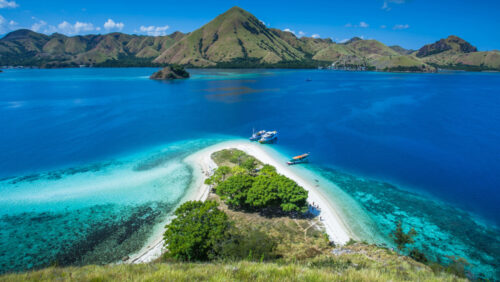
Kalor Island is renowned for its striking landscape, which combines volcanic origins with lush tropical greenery. Formed by volcanic activity centuries ago, the island exhibits geological features, including rocky outcrops and rugged cliffs, that reveal layers of its dramatic geological history. These natural formations contrast beautifully with dense vegetation that blankets much of the interior.
The island’s terrain offers a mix of habitats, from dry forests to coastal mangroves, supporting diverse plant and animal life. The tropical climate ensures vibrant greenery year-round, while the surrounding seas are characterized by crystal-clear waters and healthy coral reefs. Kalor’s relatively small size means visitors can explore most of it on foot, making it an accessible destination for nature lovers seeking to immerse themselves in varied environments.
Coastal coves and natural beaches provide ideal spots for snorkeling and observing marine life. The coastline is dotted with hidden bays that are perfect for quiet reflection or wildlife watching, particularly during early mornings and late afternoons when the light highlights the island’s rugged beauty.
Wildlife and Conservation Highlights
Kalor Island serves as an important sanctuary for various endemic and migratory species thanks to active conservation efforts led by local communities and environmental organizations. The island’s fragile ecosystems are closely monitored to balance tourism with preservation.
Among the unique flora found here are several endemic plants that thrive in Kalor’s volcanic soil and tropical climate. Bird watchers can delight in spotting rare species such as the Wallace’s hanging parrot and various sea birds nesting along the cliffs. The rich marine biodiversity includes vibrant coral reefs teeming with fish, sea turtles, and occasional visits from manta rays.
Conservation programs on Kalor focus on protecting these species by educating visitors about ecological responsibility and encouraging sustainable tourism practices. Local communities play a vital role, with many directly involved in habitat restoration and wildlife monitoring. These combined efforts help ensure that Kalor Island remains a safe haven for its natural inhabitants and an inspiring destination for eco-conscious travelers.
Getting There and Transport Options
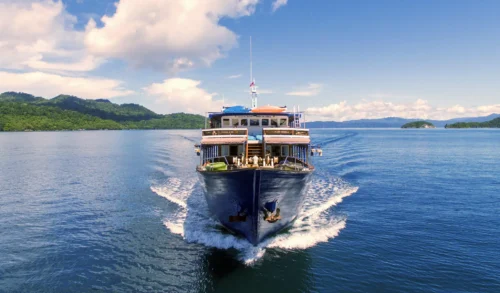
Accessing Kalor Island requires some planning but offers straightforward transport choices for independent travelers and groups alike. The island is primarily reached by boat, with departures usually arranged from nearby towns in Flores, such as Labuan Bajo.
Several reliable operators offer daily boat transfers and island-hopping tours that include Kalor, often integrating visits to neighboring islands. Typical boats range from small motorized wooden vessels to larger, more comfortable boats equipped for day trips. It is recommended to book through reputable providers who adhere to local conservation rules and support community initiatives.
Travelers should consider sea conditions when planning their trip, as rough weather can affect boat schedules, especially during the rainy season. Safety precautions include wearing life jackets, bringing appropriate sun protection, and ensuring your operator adheres to environmental guidelines, such as not anchoring on coral reefs.
Knowing the departure points, approximate boat durations (usually 20-30 minutes from Labuan Bajo), and available facilities beforehand can help smooth logistics and maximize your time on the island.
Activities to Enjoy on Kalor Island
Visitors to Kalor Island can enjoy a variety of outdoor activities that immerse them in nature with minimal environmental impact. Popular options include snorkeling, hiking, bird watching, and photography.
Snorkeling is a highlight due to the island’s clear waters and vibrant coral ecosystems. Safe snorkeling practices, such as not touching coral, avoiding sunscreen containing harmful chemicals, and maintaining a respectful distance from marine animals, are encouraged to protect the underwater environment.
Hiking trails crisscross Kalor Island, ranging from gentle walks along the coastline to more challenging routes up volcanic rocky slopes that offer panoramic views of the surrounding seas. Trail markers help visitors navigate without disturbing local flora.
Bird watchers and wildlife enthusiasts can spend hours observing native species, guided by local knowledge available through tour operators or community guides. Additionally, engaging with the island’s small fishing villages provides cultural insights and opportunities to support sustainable local livelihoods.
Whether choosing a guided tour or independent exploration, following established paths and respecting local customs enhances the experience and helps preserve Kalor’s natural charm.
Seasonal Considerations and Packing Tips
Timing your visit to Kalor Island can significantly impact your experience. The best months to travel are typically during the dry season, spanning from April to November, when sailing conditions are favorable and wildlife activity peaks.
During the rainy season (December to March), access may be limited due to rough seas, and some outdoor activities become less enjoyable or safe. Additionally, wildlife such as birds and marine species may display different behaviors depending on the season.
Packing for Kalor Island should focus on comfort and sustainability. Lightweight, breathable clothing suitable for tropical climates is recommended, along with sturdy hiking footwear. Essential items include sun protection, such as hats and reef-safe sunscreen; insect repellent to guard against mosquitoes; reusable water bottles to reduce plastic waste; and waterproof bags for electronics.
Eco-friendly products and minimal plastic use help protect the island’s delicate ecosystems. Bringing snorkeling gear can be convenient, but many operators rent equipment, so check availability in advance.
FAQs for Travellers Visiting Kalor Island
The most common way is by boat from towns in Flores, such as Labuan Bajo, with several operators offering daily trips.
Kalor is a small island with limited facilities, so most visitors stay in Labuan Bajo or nearby locations and visit Kalor on day trips.
Yes, the island offers safe hiking trails and calm snorkeling spots suitable for families, but close supervision around water is recommended.
Expect to see various bird species, colorful coral reefs, tropical fish, sea turtles, and occasionally manta rays.
Visitors should follow conservation rules such as refraining from littering, staying on marked paths, avoiding contact with coral, and respecting local communities.
Conclusion
Kalor Island offers a unique combination of breathtaking natural beauty, rich biodiversity, and a strong commitment to sustainable tourism. Its volcanic landscapes, vibrant wildlife, and crystal-clear waters create an unforgettable experience for travelers seeking authentic nature encounters. By understanding the island’s environment, wildlife, and practical travel considerations, visitors can enjoy a rewarding and responsible adventure. Whether interested in snorkeling, hiking, or simply soaking in untouched landscapes, Kalor Island remains a serene escape for nature lovers and travelers eager to explore beyond conventional destinations.