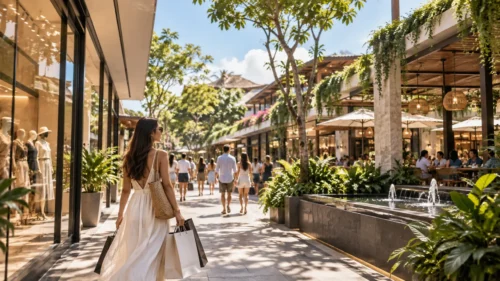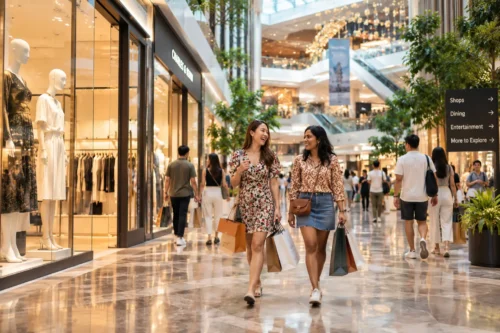
A retail destination can be much more than a place to shop. For tourists, the best retail destinations become part of the travel experience itself, offering opportunities to discover local products, enjoy food and entertainment, explore distinctive architecture, and spend time with friends or family. This is why some shopping destinations become memorable stops on a trip, while others are simply places to buy something before returning to the hotel.
Tourists often look for experiences that feel connected to the destination they are visiting. A retail environment that combines shopping with culture, leisure, dining, and entertainment can provide exactly that. Instead of treating retail as a purely transactional activity, successful destinations create an atmosphere where visitors want to stay longer and explore more.
Several factors influence whether a retail destination feels attractive to tourists, from its location and accessibility to the variety of stores, food options, entertainment, atmosphere, and overall visitor experience.
A Strong Sense of Place
One of the most important characteristics of an attractive retail destination is a clear sense of place. Tourists usually have limited time in a destination, so they are naturally drawn to places that help them experience something distinctive.
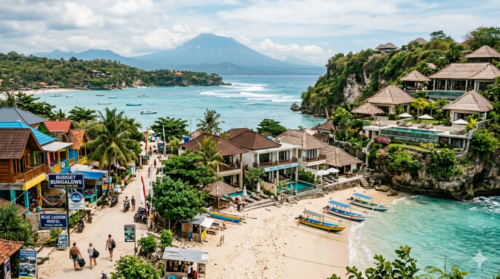
A shopping area that looks and feels identical to one in another city may offer convenience, but it may not become a memorable part of the trip. By contrast, a retail destination that reflects its surroundings through architecture, landscaping, local design elements, food, events, or cultural influences can create a stronger connection with visitors.
This sense of place does not necessarily mean that every store needs to sell traditional products. Modern international brands can coexist with local businesses, restaurants, galleries, and experiences. The key is creating an environment that feels relevant to the destination rather than completely disconnected from it.
For tourists, the atmosphere itself can become part of what they photograph, share, and remember after their trip.
A Diverse Retail Mix
Variety is another major factor. Tourists rarely have exactly the same shopping interests, particularly when they travel as groups or families. One person may be looking for fashion, another may want souvenirs, while someone else may be more interested in beauty products, homeware, or local specialty goods.
An attractive retail destination therefore benefits from a balanced tenant mix. International brands can provide familiarity and convenience, while local and independent businesses can offer products that visitors cannot easily find elsewhere.
The combination creates different reasons to explore the destination.
Retail variety can also encourage visitors to move through different parts of a shopping area instead of staying around one particular store. When fashion, lifestyle, specialty retail, dining, and entertainment are distributed throughout the destination, exploration becomes part of the experience.
For tourists, this can make a shopping trip feel less like an errand and more like an activity.
Dining as Part of the Experience
Food is closely connected to travel, which makes dining an important component of tourism-oriented retail destinations. Tourists often want to try something new while also having convenient places to rest during a day of sightseeing or shopping.
Restaurants, cafés, dessert shops, and casual dining venues can significantly increase the appeal of a retail destination. They give visitors a reason to stay longer and create natural opportunities for breaks between shopping activities.
Dining can also become an attraction in its own right. A destination with distinctive restaurants or local culinary experiences may attract visitors even when they have no initial intention of shopping.
The relationship works both ways. Someone who arrives for lunch may discover stores and entertainment venues, while a shopper may decide to stay for dinner. This creates a broader visitor journey in which retail and food support each other.
Entertainment Beyond Shopping
Tourists increasingly look for activities that provide more than a simple purchase. Entertainment can help transform a retail destination into a place where visitors can spend several hours.
Live performances, seasonal events, art installations, family activities, workshops, cultural programs, and interactive experiences can all contribute to this. The most effective entertainment does not necessarily need to be large or expensive. Even small recurring activities can create a sense of energy and give visitors something to look forward to.
Entertainment is particularly valuable for groups with different interests. While one person shops, another might watch a performance, visit an attraction, enjoy a meal, or participate in an activity.
This broader combination is one reason the relationship between travel and shopping continues to develop. Visitors are not simply looking for products; they are looking for things to see, do, taste, and remember.
Convenient Location and Accessibility
Even an attractive retail destination can struggle to attract tourists if it is difficult to reach. Accessibility plays an important role because travelers often have unfamiliar surroundings, limited transportation options, and tightly planned itineraries.
A convenient location near hotels, tourist attractions, transportation hubs, or major roads can make a retail destination easier to include in a travel itinerary.
Clear directions and transportation information are equally important. Visitors should be able to understand how to get there, where to enter, and what transportation options are available.
Accessibility also includes the experience after arriving. Clear signage, comfortable walkways, sufficient parking, accessible facilities, and convenient connections between different areas can make a significant difference.
For tourists, convenience reduces friction and makes it easier to focus on enjoying the destination.
A Comfortable and Welcoming Atmosphere
The physical environment strongly influences how long tourists want to stay. A retail destination that is clean, comfortable, visually appealing, and easy to navigate can encourage visitors to explore at a relaxed pace.
Climate can also influence the experience, particularly in tropical or hot destinations. Shaded outdoor areas, comfortable indoor spaces, seating areas, cooling systems, and well-designed landscaping can help visitors remain comfortable throughout their visit.
The atmosphere should also feel welcoming to international visitors. Multilingual signage, clear information, friendly service, and facilities designed for different types of travelers can reduce uncertainty.
Small details matter. Places to sit, clean restrooms, convenient payment options, stroller accessibility, and areas where visitors can take a break may not be the primary reason tourists visit, but they can strongly influence how they remember the experience.
Local Products and Authentic Experiences
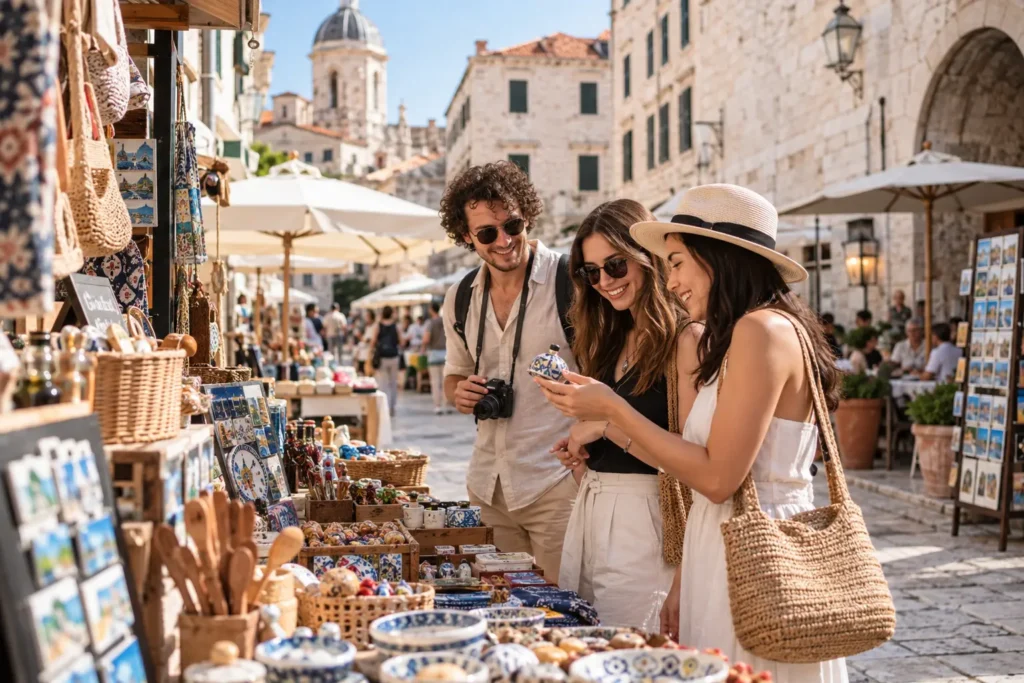
One of the strongest reasons tourists shop while traveling is the opportunity to purchase something connected to the destination.
Local products can give visitors a tangible reminder of their trip. These may include food, fashion, crafts, artwork, beauty products, homeware, or other goods associated with the region.
Authenticity is particularly valuable because tourists often want to take home something that feels different from what they could purchase in their hometown. Retail destinations can support this by giving local brands and creators space alongside larger international retailers.
The experience of discovering these products can be just as important as the purchase itself. Storytelling, demonstrations, workshops, and opportunities to meet local makers can add context and make products more meaningful.
This is where retail becomes closely connected to tourism. Shopping is no longer only about acquiring goods; it can also be a way of understanding a place.
Events That Give Visitors a Reason to Return
Events can create additional reasons for tourists and local visitors to choose one retail destination over another. Seasonal celebrations, cultural festivals, fashion events, food programs, exhibitions, and special promotions can make the environment feel dynamic.
For tourists, events can also provide a timely reason to visit. Someone who is already planning a trip may discover an event taking place during their stay and add the retail destination to their itinerary.
A consistent event calendar also prevents a destination from feeling static. Returning visitors may encounter something different each time, while first-time visitors can experience an activity that is unavailable elsewhere.
The strongest events usually fit naturally with the identity of the destination rather than existing only as promotional activities.
Opportunities for Photography and Social Sharing
Visual appeal has become increasingly important in tourism. Tourists frequently document their trips through photographs and social media, meaning visually distinctive retail environments can generate organic exposure.
Interesting architecture, attractive storefronts, public art, landscaped areas, creative installations, and well-designed dining spaces can become natural photo opportunities.
However, successful destinations do not need to design every corner purely for social media. Authentic visual character is often more effective than forced photo spots. When an environment is genuinely attractive and connected to the destination, visitors are more likely to photograph it naturally.
These shared experiences can introduce the retail destination to potential visitors who are planning future trips.
Family-Friendly Facilities
Tourists often travel with family members of different ages, making family-friendly facilities an important consideration. Parents may prioritize comfort, safety, convenience, and activities for children when choosing where to spend part of their vacation.
Play areas, children’s activities, family dining options, spacious walkways, stroller-friendly facilities, and clean restrooms can make a retail destination more accessible to families.
Family-friendly does not mean that the destination needs to focus exclusively on children. Instead, it means creating an environment where different generations can enjoy the same visit in their own ways.
This makes the destination more versatile and can increase the amount of time families are willing to spend there.
Integration With the Wider Tourism Experience
An attractive retail destination does not exist separately from the rest of a tourist’s itinerary. Its success can depend on how well it connects with hotels, attractions, transportation, dining, entertainment, and other experiences.
This broader relationship is often discussed through the concept of retail tourism bali, where shopping becomes one component of a wider travel experience rather than an isolated activity.
For example, a tourist might spend the morning visiting a cultural attraction, have lunch at a retail destination, shop for local products in the afternoon, and finish the day with entertainment or dinner. When these activities connect naturally, the retail destination becomes part of the overall journey.
This integration can also benefit surrounding businesses. Tourists who visit a shopping destination may discover nearby restaurants, attractions, transportation services, or other experiences, creating a wider economic impact.
Easy Payment and Tourist-Friendly Services
Practical services can have a surprisingly strong influence on the visitor experience. Tourists may be unfamiliar with local payment methods, currencies, tax procedures, or shopping customs.
Retail destinations can make the process easier by supporting widely used payment methods, providing clear pricing, offering useful visitor information, and making customer service easy to access.
Tourist-oriented services such as luggage storage, tax refund information where applicable, shuttle services, information counters, and multilingual assistance can further improve convenience.
These services may not be visible attractions, but they reduce barriers that could otherwise make shopping uncomfortable or complicated.
Why Experience Matters More Than Transactions
Ultimately, an attractive retail destination understands that tourists are buying more than products. They are investing their limited vacation time.
This changes how retail destinations should think about success. A visitor may arrive intending to purchase one item but end up spending several hours because the destination offers restaurants, entertainment, comfortable spaces, events, and interesting places to explore.
The goal is not simply to encourage visitors to spend more money. It is to create enough value in the overall experience that shopping naturally becomes part of the visit.
When tourists enjoy the environment, discover something new, and leave with positive memories, they are more likely to recommend the destination, share their experience, or return on a future trip.
Creating a Memorable Retail Destination
The most attractive retail destinations bring multiple elements together. They offer a strong sense of place, a diverse retail mix, appealing dining, entertainment, comfortable facilities, convenient access, local products, and experiences that encourage visitors to stay and explore.
None of these elements needs to work independently. Their real strength comes from how they interact.
A tourist may visit because of a particular store, stay because of the dining options, discover a local product while exploring, take photographs of the environment, and finish the visit by attending an event. What began as a shopping trip becomes a complete experience.
That is the defining characteristic of retail destinations that appeal to tourists. They do not simply provide places to buy things. They create places where shopping, leisure, culture, food, entertainment, and discovery come together.
As tourism continues to evolve, retail destinations that focus on this broader experience are better positioned to become meaningful parts of a travel itinerary. For visitors, the result is a destination that feels worth exploring—not simply because of what they can purchase, but because of what they can experience along the way.