Slow travel is increasingly popular in a world filled with packed itineraries and rushed vacations. Unlike traditional travel, which prioritizes tracking destinations on a checklist, easy travel emphasizes quality over quantity. It’s about fully immersing yourself in fewer places, connecting deeply with the culture, and relishing the journey as much as the destination.
What is Slow Travel?
Slow travel isn’t just about traveling at a leisurely pace; it’s a philosophy. Rooted in the slow movement—which advocates for mindful living—it encourages travellers to embrace local cultures, reduce environmental impact, and form meaningful connections with people and places. Whether it’s spending a month exploring a single city or dedicating days to a remote village, slow travel allows for an enriching experience that’s impossible to achieve with a packed schedule.
Read more Holiday Season Getaways: Festive Celebrations and Cozy Retreats Around Indonesia
The Benefits of Slow Travel
Deeper Cultural Immersion
When you’re not rushing from one attraction to another, you have the time to truly engage with the local culture. Attend community events, learn a few phrases of the local language, and savour authentic cuisine at neighbourhood spots. Slow travel allows you to uncover a destination’s soul beyond its tourist traps.
Reduced Stress
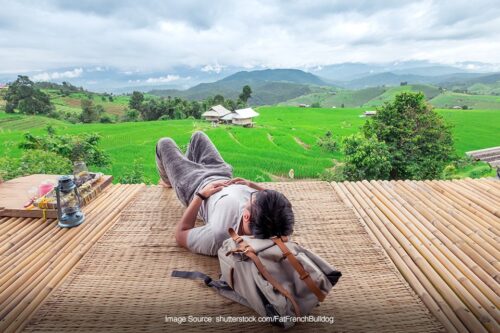
Vacations are meant to be relaxing, but tight schedules often lead to travel burnout. Slow travel eliminates the frenzy, letting you unwind and recharge. Imagine sipping coffee at a local café without the pressure of catching the next train or rushing through landmarks. This unhurried approach fosters a sense of calm and mindfulness.
Environmental Benefits
Traveling sustainably is more important than ever, and slow travel aligns perfectly with eco-friendly practices. Spending more time in one location reduces your carbon footprint from frequent flights or long car rides. Opting for trains, bikes, or even walking can further enhance the green benefits of lagging travel.
Stronger Connections
Building relationships with locals becomes easier when you stay in one place for an extended period. From chatting with shopkeepers to forming friendships with your Airbnb host, these connections can provide insights into the destination that no guidebook can.
Cost Efficiency
Surprisingly, slow travel can be more affordable. Long-term accommodations often come at a discounted rate, and cooking meals or shopping locally can save money. Additionally, you’ll likely spend less on transportation by staying in one region.
How to Embrace Lagging Travel
Start by choosing a destination that intrigues you and plan to spend an extended time there. Avoid creating a rigid itinerary; instead, allow room for spontaneity. Opt for homestays, boutique hotels, or rentals over chain accommodations to better experience the local way of life. Finally, prioritize walking or cycling to explore at a human pace.