Tea has been a crucial part of Asian culture for centuries, with China and Japan standing at the forefront of tea traditions. Both countries have deeply rooted customs surrounding tea, reflecting their philosophies, aesthetics, and ways of life. Whether a tea enthusiast or a curious traveler, experiencing a traditional tea ceremony in China or Japan is a journey into mindfulness and cultural appreciation.
The Origins of Tea Culture in China
China is widely regarded as tea’s birthplace, with a history of over 5,000 years. According to a famous story, Emperor Shen Nong found tea when some tea leaves unexpectedly fell into his pot of boiling water. Since then, tea has evolved into a symbol of harmony and hospitality. The Chinese tea ceremony, Gongfu Cha, emphasizes precision and appreciation of tea’s flavours, aromas, and textures.
Types of Chinese Tea
China produces a variety of teas, including:
- Green Tea – Longjing (Dragon Well) is famous for its fresh taste and vibrant colour.
- Oolong Tea – Tieguanyin is known for its floral and creamy notes.
- Black Tea – Keemun is a popular export with a rich, malty flavour.
- Pu-erh Tea – A fermented tea with deep, earthy tones.
Experiencing a Chinese Tea Ceremony
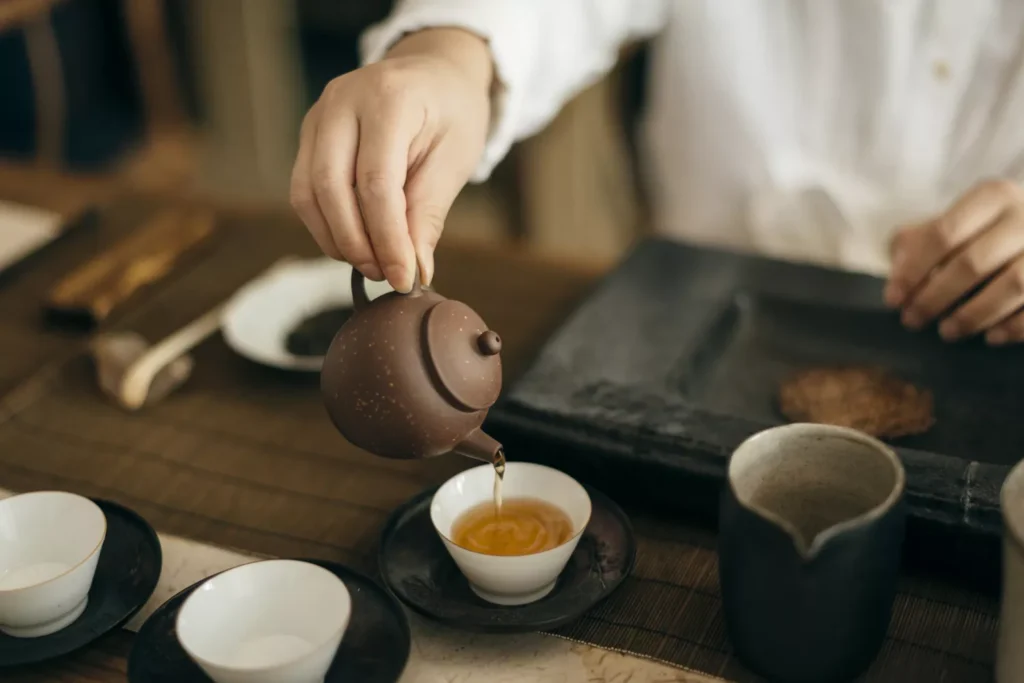
During a traditional Gongfu Cha ceremony, the master prepares and serves tea in small, delicate cups. The process involves multiple infusions, allowing drinkers to savour the evolving flavours of the tea leaves. The ceremony is a meditative experience that encourages patience and appreciation.
Also read Holiday Season Getaways: Festive Celebrations and Cozy Retreats Around Indonesia
The Elegance of the Japanese Tea Ceremony
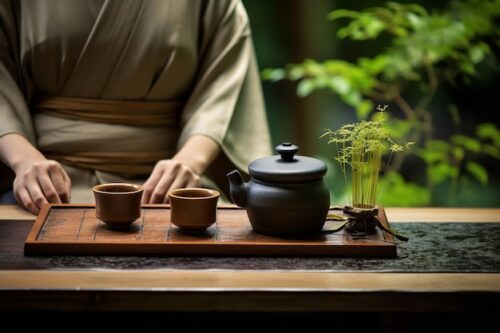
Japan’s tea culture is deeply influenced by Zen Buddhism, which emphasizes simplicity, tranquillity, and respect. The Japanese tea ceremony, known as Chanoyu or Sadō, is a traditional practice centred around matcha, a powdered green tea. It involves careful steps that emphasize mindfulness and respect for the tea and guests.
The Philosophy Behind Chanoyu
Four principles guide the Japanese tea ceremony:
- Wa (harmony) – Fostering peaceful interactions.
- Kei (respect) – Appreciating people and objects.
- Sei (purity) – Maintaining cleanliness and mindfulness.
- Jaku (tranquillity) – Achieving inner peace.
Steps of a Traditional Japanese Tea Ceremony
- Preparation of the Tea Room – Guests are welcomed into a serene, minimalist tea room.
- Cleansing Ritual – The host meticulously cleans tea utensils, symbolizing purity.
- Matcha Preparation – Finely ground matcha is whisked with hot water in a chawan (tea bowl).
- Serving the Tea – Guests bow and take turns sipping from the same bowl as a sign of unity.
- Closing the Ceremony – The host expresses gratitude, and the ceremony concludes in silence.
Where to Experience Traditional Tea Ceremonies
For those who are eager to immerse themselves in authentic tea culture, here are some recommended destinations:
- China: Chengdu’s Wenshu Monastery, Hangzhou’s Dragon Well Tea Village.
- Japan: Kyoto’s Urasenke Tea School, Tokyo’s Happo-en Garden.
Participating in a tea ceremony in China or Japan is a transformative experience. It’s more than just drinking tea—it’s about mindfulness, tradition, and connection. If you’re traveling to Asia, don’t miss the opportunity to witness these beautiful tea cultures firsthand.