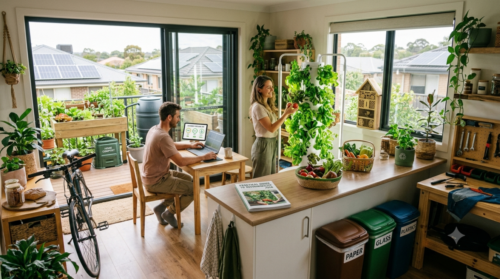
Sustainability has become an essential focus for individuals and communities worldwide, as environmental challenges such as climate change, resource depletion, and pollution continue to escalate. By 2026, adopting sustainable habits within the home environment will be more critical than ever to effectively reduce ecological footprints and foster healthier living spaces. This shift is driven by increased awareness, technological advancements, and pressing ecological demands.
Specifically in Indonesia, rapid urbanisation and growing resource consumption are putting additional pressure on local ecosystems. Integrating sustainable lifestyle practices at home not only addresses these environmental concerns but also encourages a return to community well-being and resilience. This practical guide offers actionable tips for sustainable living with an emphasis on home-based methods such as gardening and responsible consumption. It also highlights how Indonesia’s retail sector is evolving to meet the rising demand for eco-friendly products and services.
Sustainability and Home-Based Lifestyle Practices
Sustainability in daily life centers on making choices that minimize environmental harm while supporting personal and communal well-being. Home-based practices play a fundamental role since households are primary sites of consumption, waste generation, and energy use. These behaviors encompass a wide array of actions, from reducing single-use plastics and conserving water to choosing renewable energy sources and fostering a zero-waste mindset.
Expanding sustainable habits at home involves more than just individual efforts; it also creates ripple effects that influence markets and communities. For instance, reducing food waste not only decreases landfill contributions but also reduces pressure on agriculture and supply chains. Energy-saving behaviors such as switching off devices when not in use directly cut carbon emissions and reduce utility bills.
In Indonesia, where population density and urban growth amplify environmental stress, embedding these sustainable practices at the household level is crucial for promoting long-term ecological balance and social equity.
How to Start a Home Garden for Sustainable Living
Home gardening is a highly effective way to integrate sustainability into everyday life. Whether limited to balcony containers in urban apartments or extended to backyard plots, growing your own plants can supply fresh produce, reduce reliance on transported foods, and contribute to biodiversity support.
Begin by selecting plants native to your region or adapted to drought conditions to optimise water use and ensure resilience to local pests and diseases. Popular Indonesian plants suitable for home gardens include kangkung (water spinach), chili peppers, turmeric, and assorted herbs.
Container gardening is especially beneficial for urban dwellers; it allows cultivation in small spaces using recycled containers such as buckets, pots, or old crates. Additionally, natural pest control methods, such as companion planting (e.g., marigolds to deter aphids), help maintain ecological balance without chemicals.
Composting kitchen scraps is another vital component, transforming organic waste into nutrient-rich soil amendments. Beginners should be mindful to maintain proper moisture and aeration to avoid odors and attractants to pests.
Installing rainwater harvesting systems, such as simple barrels to collect rooftop runoff, provides a sustainable water source for irrigation, reducing dependence on treated municipal water supplies and lowering water bills.
Benefits of Home Gardening and Eco-Friendly Living
Home gardening delivers multiple advantages beyond mere food production. Creating green spaces enhances air quality by filtering airborne pollutants and producing oxygen. Gardens also help establish microclimates, which are localized atmospheric zones with moderated temperatures. These cooler microclimates can reduce the surrounding heat, lessening the need for energy-intensive air conditioning and thus contributing to energy savings.
Furthermore, gardening encourages physical activity and mental well-being. Interaction with plants and nature has been linked to stress reduction, improved mood, and increased mindfulness.
Environmental and Health Benefits of Sustainable Homes
Sustainable homes are designed to reduce environmental footprints through the use of eco-friendly building materials, energy-efficient appliances, and water conservation systems. In Indonesia, locally sourced bamboo and recycled wood are increasingly popular as sustainable building materials due to their renewability and low embodied energy.
Energy-efficient technologies such as solar panels and LED lighting help decrease reliance on fossil fuels. Proper insulation materials adapted to tropical climates, such as reflective roofing or natural fiber insulation, reduce energy consumption needed for cooling.
From a health perspective, sustainable homes improve indoor air quality via natural ventilation and limit exposure to hazardous chemicals found in conventional paints, adhesives, or synthetic furnishings. Incorporating edible plants indoors or in home gardens nurtures access to fresh, nutritious foods, supporting healthier diets.
Sustainable Living Practical Tips
Adopting sustainable practices at home can begin with straightforward, practical measures that collectively have a large impact. Reducing single-use plastic consumption by replacing disposable bags and containers with reusable versions prevents waste accumulation and plastic pollution.
Choosing products with minimal packaging not only reduces waste but also supports manufacturers prioritizing sustainable practices. Energy conservation can be enhanced by habits such as turning off lights when rooms are unoccupied, utilizing energy-efficient appliances, and maximizing natural daylight whenever possible.
Examples of Sustainable Lifestyle Practices at Home
Water conservation plays a key role; regular maintenance, such as promptly fixing leaks and installing low-flow faucets and showerheads, can lead to significant savings. Repurposing household items, engaging in mindful purchasing to avoid unnecessary acquisition, and donating or recycling goods extend product life cycles and decrease landfill contributions.
Using natural cleaning products made from ingredients like vinegar, baking soda, or lemon avoids introducing harmful chemicals into wastewater systems. Family engagement is particularly effective; involving household members in sustainability efforts fosters collective responsibility and ensures sustained commitment. Teaching children about environmental stewardship from a young age encourages enduring eco-conscious behavior.
Retail and Shopping Mall Adaptations to Lifestyle Sustainability
Retailers in Indonesia are making notable strides to support consumers’ sustainable lifestyle choices. Many shopping malls now feature stores offering eco-friendly products made from recycled materials, organic ingredients, or ethically sourced components. These retail environments are also adopting energy-saving measures such as LED lighting, motion sensors, and waste segregation programs.
Retailers Supporting Sustainable Consumer Choices
Some businesses have introduced refill stations for products such as household cleaners, shampoos, and cooking oils, helping reduce plastic waste by allowing consumers to reuse containers. Promoting local artisans who produce sustainable goods supports small-scale economies and reduces the carbon footprint associated with imported products.
Digital solutions such as electronic receipts minimize paper use, while information campaigns within malls promote awareness about sustainable consumption choices. These adaptations make it easier for shoppers to select environmentally responsible products within familiar retail spaces.
Future Outlook and Opportunities in Sustainability Sectors
The momentum for sustainability in Indonesia is expected to grow as awareness levels increase and supportive government policies expand. Emerging opportunities include urban agriculture initiatives that bring food production closer to consumers, reducing transportation emissions.
Technological advances in green building materials and energy-efficient appliances will continue improving home sustainability. Enhanced waste management infrastructure and circular economy models also offer promising avenues for reducing environmental impacts.
Growing Opportunities in Indonesia’s Sustainability Movement
Indonesia’s rich biodiversity and cultural connections to nature position it well to lead regional sustainability efforts. Investment in renewable energy projects such as solar and geothermal power is expanding, alongside eco-tourism ventures that balance economic growth with conservation.
Community-led education programs and partnerships with the private sector increase the reach and effectiveness of sustainability initiatives. These combined efforts could position Indonesia as a model for sustainable development, benefiting both ecosystems and society.
Conclusion
Incorporating sustainability into home-based lifestyles presents a practical and impactful approach to environmental stewardship in 2026 and beyond. Practices like home gardening, eco-friendly living, and mindful consumption form the foundation for reducing ecological footprints while enhancing personal and community well-being. The retail sector’s evolving role in providing sustainable options makes adopting these habits accessible and convenient.
By embracing these practices and fostering collective responsibility within households and communities, individuals in Indonesia can contribute meaningfully to a healthier environment and a more resilient future. Sustained effort and awareness are key to ensuring that homes not only nurture families but also protect the planet for generations to come.