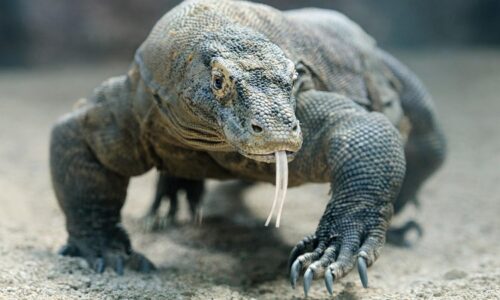
Discovering Komodo dragons in their natural habitat is one of the rarest wildlife experiences in Indonesia. These giant reptiles are not animals you see anywhere in the world. They belong to a very specific landscape of dry savanna, coastal forest, volcanic hills, and protected islands within and around Komodo National Park. For travellers visiting Flores and Labuan Bajo, the encounter feels almost unreal because the animal looks ancient, powerful, and completely unlike the usual wildlife seen on tropical holidays.

Why Komodo Dragons Are So Extraordinary
The Komodo dragon is the world’s largest living lizard, with UNESCO describing the species as reaching an average length of around 2 to 3 metres. Komodo National Park itself covers 219,322 hectares and protects both terrestrial and marine ecosystems, from dry savanna and monsoon forest to coral-rich waters shaped by strong currents. This combination of wild land and rich sea is one reason the destination feels so different from a standard island escape.
For many visitors, discovering Komodo dragons is not only about taking a photo. It is about understanding how a rare predator survives in one of Indonesia’s most distinctive environments. The animals live in hot, dry habitats where they use patience, strength, smell, and ambush behaviour to hunt. Their presence gives the national park a feeling of wilderness that is difficult to find elsewhere.
Where Can You See Them?
The most common visitor routes focus on Komodo Island and Rinca Island, usually reached by boat from Labuan Bajo. These islands are part of the protected national park system, where guests must join a ranger-led walk. Rangers are essential because they understand dragon behaviour, safe distances, and the best areas to observe them without disturbing their habitat.
A recent Indonesian conservation strategy notes that Komodo dragons are distributed across five islands within Komodo National Park, including Komodo, Rinca, Motang, Kode, and Padar, with additional habitat pockets on Flores. The same source reports that monitoring from 2018 to 2024 estimated the population inside Komodo National Park at between 2,897 and 3,303 individuals, with the 2024 estimate at 3,270 ± 371 individuals.
The Best Way to Experience the Trek
A good dragon trek is calm, slow, and respectful. Travellers should not expect a theme-park-style encounter. The experience depends on weather, time of day, the ranger’s guidance, and the movement of the animals themselves. Morning is often the most comfortable time to walk, before the heat becomes intense and before the reptiles retreat deeper into shaded areas.
The real value of discovering Komodo dragons lies in noticing small details: the slow movement of the body, the tongue sensing the air, the silence of the surrounding savanna, and the way the ranger explains the animal’s role in the ecosystem. These details create a more meaningful experience than simply rushing from one viewpoint to another.
Safety and Responsible Tourism
Komodo dragons are wild predators, not harmless attractions. Visitors should always follow ranger instructions, stay on marked paths, avoid sudden movement, and never attempt to approach or feed the animals. A responsible tour also means respecting the national park’s wider conservation goals, including protection of prey species, forest habitats, and marine ecosystems.
A 2025 sustainability study on Labuan Bajo and Komodo National Park highlights that growth in nature-based and premium tourism increases environmental pressure, while visitors also show support for green tourism initiatives such as waste management, local products, sustainable transport, and better conservation communication. This makes responsible travel more than a nice idea. It is part of protecting the destination people come to see.
How the Boat Journey Adds to the Experience
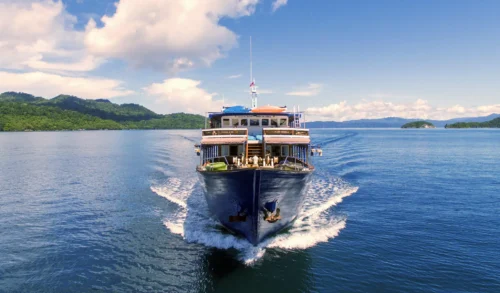
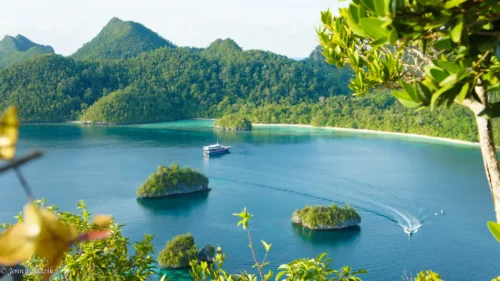
Seeing dragons is often just one part of a wider Komodo sailing route. Many travellers combine the ranger trek with Padar Island, Pink Beach, Manta Point, Kalong Island, and several snorkelling stops. This is why a multi-day boat trip can feel more complete than a quick visit. It gives the traveller time to understand the contrast between land and sea, dry hills and blue reefs, ancient reptiles and delicate marine life.
When discovering Komodo dragons as part of a sailing itinerary, the day feels more balanced. You might begin with a sunrise hike, continue with a ranger walk, return to the boat for lunch, then swim above coral gardens in the afternoon. The experience becomes less about checking off one animal and more about entering a living ecosystem.
Final Thoughts
For travellers who care about wildlife, nature, and rare places, Komodo is unforgettable. The dragons are impressive because of their size, but the deeper reason they matter is their scarcity. They remind visitors that some experiences can only happen in one part of the world and only if that place is carefully protected.
When discovering Komodo dragons, choose patience over speed, respect over excitement, and understanding over simple sightseeing. That is the difference between seeing the animal and truly appreciating the world it belongs to.