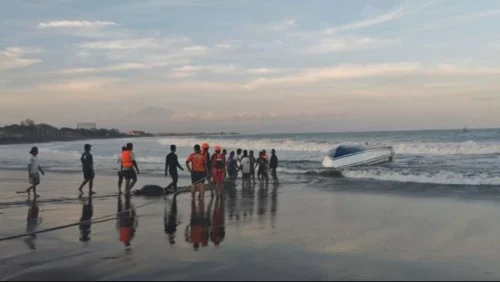
The capsizing of Fast Boat Dolphin II near Benoa Harbour on August 5, 2025, has sent ripples through Indonesia’s maritime tourism sector, particularly for the burgeoning luxury yacht Indonesia industry. Large waves overturned the vessel en route from Nusa Penida to Sanur, triggering a swift search and rescue (SAR) response. This incident serves as a critical wake-up call for tour operators, luxury travel planners, and safety regulators to strengthen protocols, ensuring Indonesia remains a haven for international yachting enthusiasts.
The Dolphin II Accident: A Stark Reminder
On August 5, 2025, at approximately 3:00 PM WITA, Fast Boat Dolphin II succumbed to fierce waves at the entrance to Benoa Harbour, sinking and leaving the number of passengers and their fates uncertain. The Denpasar SAR Office, alerted by 4:25 PM, mobilized quickly, as reported by Balipuspanews.com. This tragedy underscores the unpredictable nature of Indonesia’s coastal waters, where sudden weather changes can challenge even experienced crews. For luxury yacht operators in Indonesia, this incident highlights the need for robust safety measures to protect high-end clientele seeking premium maritime experiences.
Luxury Yacht Operations: A Higher Standard
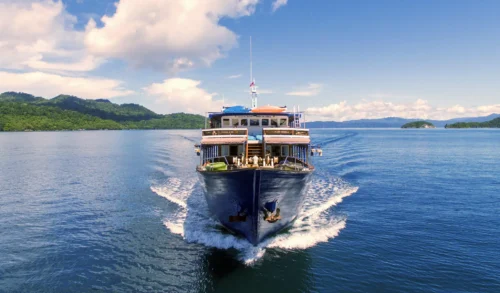
Unlike fast boats, luxury yachts in Indonesia prioritize advanced navigation and safety systems, such as GPS, radar, and automated weather monitoring. These vessels, often docking at Benoa Marina or Labuan Bajo, cater to affluent travelers exploring Indonesia’s 17,000 islands. However, the Dolphin II accident reveals vulnerabilities that even luxury operators must address. While fast boats like Dolphin II cater to mass tourism, luxury yacht services in Indonesia must lead by example. Integrating cutting-edge safety protocols to maintain trust. This includes regular crew training, emergency drills, and vessel maintenance to handle adverse conditions like those that sank Dolphin II.
Also read Can You Sleep on Padar Island? Exploring Accommodation Options
Strengthening SAR Integration for Yacht Tourism
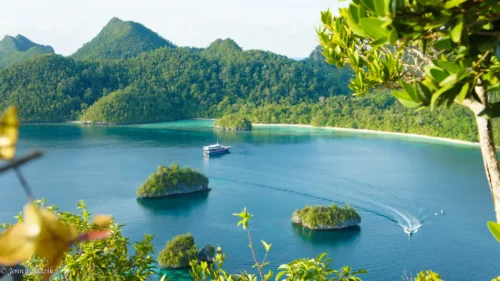
The rapid SAR response to the Dolphin II incident, coordinated by I Nyoman Sidakarya of the Denpasar SAR Office, demonstrates the critical role of rescue operations in maritime tourism. Luxury yacht operators in Indonesia can enhance safety by adopting SAR-inspired technologies, such as satellite-based distress signals and real-time tracking systems. Partnering with local SAR teams for training ensures crews are prepared for emergencies, from medical evacuations to vessel recovery. Incorporating these measures into luxury yacht services not only boosts safety but also reassures international visitors exploring remote destinations like Raja Ampat or Komodo National Park.
Recommendations for a Safer Future
To safeguard Indonesia’s yacht tourism, operators must prioritize safety investments. Recommendations include mandatory weather forecasting tools, enhanced crew certifications, and regular safety audits. Collaborating with SAR agencies to establish dedicated maritime rescue hubs near key yachting destinations like Benoa can reduce response times. Additionally, public awareness campaigns can educate tourists about safety standards when choosing luxury yacht experiences in Indonesia. By learning from the Dolphin II accident, the industry can strengthen its reputation as a world-class yachting destination.
Building Trust in Indonesia’s Maritime Future
The Dolphin II accident is a sobering reminder that safety is paramount in maritime tourism. For luxury yacht operators in Indonesia, adopting advanced safety protocols and SAR integration is essential to attract global travelers. By addressing these challenges, Indonesia can ensure its yachting industry thrives, offering safe and unforgettable adventures.